
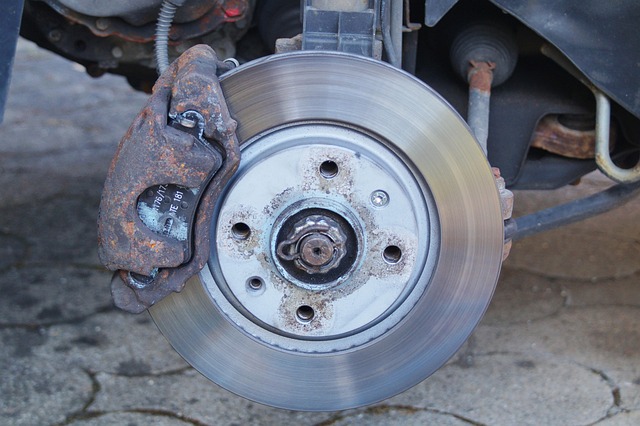
Brake Noise Causes: Why Your Car Is Making Noise When Braking (And What You Can Do About It)
If you’ve ever rolled down the window at a stoplight and heard that squeal, grind, or groan, your stomach probably dropped a little. Brake noise has a way of grabbing your attention fast — because deep down, we all know brakes aren’t something to ignore.
Brake noise causes can range from completely harmless to “handle this now,” and the tricky part is knowing which is which. Let’s break it down clearly, calmly, and without scare tactics — one car owner to another.
Why is my car making noise when braking?
Short answer: because something in the braking system is worn, dry, loose, overheated, or trying to tell you a story.
Brakes work through friction. Anytime metal, ceramic, or composite materials rub together, sound can happen. The key is understanding what kind of sound you’re hearing.
Think of your brakes like shoes. New shoes squeak on gym floors. Old shoes scrape when the soles are gone. Brakes behave the same way — they just do it at 45 mph.
What are the most common brake noise causes?
Here are the most frequent culprits, explained plainly.
- Squealing or High-Pitched Screeching
Most common cause: Worn brake pads
Many modern brake pads are designed with wear indicators — a small metal tab that squeals when the pad gets thin. It’s not a failure. It’s a warning.
👉 What you can do first:
If the noise is light and happens mostly at low speeds, schedule a brake inspection soon — not “someday,” but not panic mode either.
This is one of the most common brake noise causes mechanics see every week.
- Grinding Noise (Metal-on-Metal)
Most serious cause: Pads are fully worn out
If you hear grinding, especially when stopping, that usually means the brake pad material is gone and metal is grinding into the rotor.
This is the automotive equivalent of running barefoot on gravel.
👉 What you should do:
Stop driving and get it checked immediately. Continuing can destroy rotors, calipers, and your wallet.
Shops like Strong Auto Repair see this often — usually from drivers who hoped the noise would “just go away.” It never does.
- Clicking or Rattling When Braking or Driving Over Bumps
Likely cause: Loose hardware or worn clips
Brake pads are held in place with small clips and shims. Over time, these can loosen or wear out, especially in Florida heat and humidity.
👉 First step option:
If the sound happens mostly over bumps or right after brake work, it may just need proper hardware replacement — a relatively simple fix.
- Thumping or Pulsing When Stopping
Possible cause: Warped rotors
If your steering wheel shakes or the brake pedal pulses, your rotors may be uneven. Heat is usually the villain here — repeated hard stops, towing, or stop-and-go traffic.
👉 What this feels like:
Like the brakes are gently kicking back at your foot.
👉 Next step:
This isn’t dangerous right away, but it will get worse. An inspection can confirm whether resurfacing or replacement is needed.
- Squeak Only in the Morning or After Rain
Cause: Moisture and surface rust
Florida mornings are humid. A thin layer of rust can form on rotors overnight and disappear after a few stops.
👉 Good news:
This is usually harmless if the noise goes away quickly.
👉 If it doesn’t:
It may point to pad material issues or glazed rotors.
Can low brake fluid cause noise?
Indirectly, yes.
Low brake fluid won’t usually squeal, but it can affect braking performance, cause warning lights, and signal worn pads or a leak.
👉 First step option:
Check the brake fluid reservoir. If it’s low, don’t just top it off — have the system inspected to find out why.
Is it safe to keep driving if my brakes are noisy?
That depends entirely on the sound.
- Light squealing: Usually safe short-term
- Grinding: Not safe
- Vibration or pulling: Needs attention
- Warning light + noise: Stop driving
A good rule of thumb from long-time drivers and mechanics alike:
If the noise makes you turn the radio down to listen — it’s time to check it.
Are cheap brake pads louder?
Often, yes.
Lower-quality pads may lack proper shims, insulation, or materials designed to reduce vibration. They stop the car, but they don’t always stop the noise.
This is something seasoned shops like Strong Auto Repair often explain to customers: quiet braking is about quality and correct installation, not just parts.
What simple things can I check before going to a mechanic?
Here are safe, realistic first steps for busy drivers:
- Listen carefully
When does the noise happen? Cold starts? Hard stops? Every stop?
- Check brake fluid level
Low fluid can signal wear or leaks.
- Notice warning lights
Brake or ABS lights + noise = inspection time.
- Pay attention to feel
Pulling, shaking, or soft pedals matter just as much as sound.
What you shouldn’t do: ignore it, spray random lubricants, or assume it’ll fix itself.
When should I bring my car to a professional?
Immediately, if:
- You hear grinding
- The car shakes when braking
- The brake pedal feels different
- The noise is getting louder
For drivers around Pensacola, having a local expert like Strong Auto Repair inspect brake noise causes early can often prevent much larger repairs later — and keep you safe on the road.
Final Thoughts: Don’t Guess With Brakes
Brake noise isn’t just annoying — it’s information. Your car is talking. The goal isn’t to panic, but to listen.
Handled early, most brake noise causes are straightforward, affordable, and manageable. Ignored, they tend to multiply.
And nobody wants that.
Strong Auto Repair Pensacola is located at:
3008 W. Strong Street
Pensacola, FL, 32505
850.730.8447
Come by and visit anytime. Strong coffee’s on!
Schedule an appointment with us for you Automotive needs ➡️ Make an Appointment Now!
Image Courtesy of:https://pixabay.com/photos/brake-disc-brake-caliper-2291881/
